Wednesday, October 7, 2026

Entitled


It is an appealing picture, on a pleasant day. A solitary figure, an elderly man seen from a distance, walking along briskly enough, slightly hunched into himself, traffic on the busy thoroughfare steady, but he seemingly absorbed in private thoughts. As the onlooker strides closer, it can be seen that the man has a shock of white hair, reaching to his shoulders, but neat, very nice looking. He also has a white moustache, a neatly-trimmed beard, bearing still a touch of his dark colour when he was a younger man. Closer still, and it becomes obvious this is not an old man, simply one in his late-middle years whose hair has been prematurely cleansed of colour. When he reaches a street forking off the main street, he turns abruptly, as though shaking himself out of a reverie, looks around him, smiles to himself and proceeds up the street.

This, he feels, is the best part of his daily routine. He used to walk a little further, over to where they had first lived when they came to Canada. A far more modest home, in a different neighbourhood. It’s been two decades since they sold that one, and bought up, to a four-bedroom, two-story with a double-height great room. As he ambles up the street he lives on, familiar with every house on the street, the semis, the singles, the larger houses mounting up the street close to his own, he indulges in his daily scrutiny. Anxious to discover any alterations in his familiar landscape. Comparing, always comparing his property to those of others, and never finding his wanting in any way.

He still holds a grudge close to his familial considerations for his cousin, the pharmacist, who had badgered him into opting for surgery. This doctor, this specialist he knew personally and would personally vouch for, was capable of operating on his shoulder. He’d make it as good as new. He’d been a pipe-fitter, and injured himself on the job. Workers’ Compensation had been reluctant at first to acknowledge that it was a workplace injury, but how else could he have injured himself like that? (Even if it hadn’t occurred when he was at work, not exactly.) The operation had been partially successful, but hadn’t restored him to full use of his arm. His right arm. Still, he looked around, took a part-time job with the new Home Depot that opened nearby. He could still drive, still do physical things.

Such things happen; he re-injured the arm. Little wonder, those racist bastards made him work back in the warehouse, slinging heavy boxes around. His old injury, that shoulder that had never really healed, was now more painful, he was unable to do anything, even drive. Again, his cousin implored him to submit to another operation; the surgeon, his friend, would this time solve the problem. His own fault for succumbing, and the succeeding operation really put him out of sorts, constant low-grade pain. Now he had less use of that arm affixed to that accursed shoulder, than ever before. Why did he listen to cousin? His own fault, for believing, for trusting family. He’d be more careful in future.

Meanwhile, work was out of the question. He was now permanently retired, disabled. Dependent on his wife, who went out to work every day. Good thing she had a responsible, well-remunerated professional position with the federal government. Good thing she didn’t really mind. Good thing she felt responsible for his well-being, was stricken by the fact she could do little to alleviate his frequent descents into depression.

Unlike his brothers he never had worn a turban, living in Canada. He’d lived on this street for two decades and none of his neighbours had ever seen him like that, wearing a turban. His wife occasionally wore a sari, but not in public, only ceremonially, for special occasions. She was as modern and forward-looking as he. They attended a local gurdwara, but only for special events. Family occasions. When there would be a sudden influx of family members from all over Canada, the United States, and India, and their house would be filled to overflowing. Of course his brother’s house, and his cousin’s too, were also expanded to warmly welcome their relatives. Neighbours in their pluralist-inhabited street had become familiar with the fragrant, attention-demanding odours redolent primarily of onions and spices, wafting over the area. That’s one thing his cousin was good for, to help with the cooking.

In any event, they were now Canadians. Their adopted country had been good to them. And they have reciprocated. They pay taxes. They have the same values as all those around them in the greater society. His son plays hockey, he plays soccer, he’s in house leagues. Their daughter - well, her wedding was a traditional one. Costly. Their family, their guests expected no less. Extravagant, but that’s how Sikh weddings are.

Nor had they neglected their obligations to their heritage, had taken the children with them twice back to the Punjab, to see family. Second time around, when he went alone, himself with Deepak, wasn’t so good. As though family ties had weakened, somehow the respect he always felt entitled to, was absent. Everyone too busy. It was deplorable, he said later, to one of his favourite neighbours, how materialism had overtaken good manners. His favourite sister’s son too busy to come and visit, to see his uncle, come so far, from Canada to India. Couldn’t get away from work, had important deals to conclude.

He was a gregarious figure, happy to ingratiate himself with his neighbours. Didn’t matter who, though he had his favourites. French, Black, Chinese, Egyptian, Jewish, Christian and run-of-the-mill Canadian-born, he liked to stand around and talk. He enjoyed his good relations with his neighbours. With one exception, the little dark Bangladeshi fellow who lived around the corner and who would stand off any time he saw his Indian Sikh neighbour holding forth. He could sense the fear and suspicion emanating from his Muslim neighbour, and he strangely relished it. It felt empowering in a way he couldn’t quite finger. Even though, when Luvaleen married, the Bangladeshi neighbour’s wife sent a very courteous note of congratulations.

Cordial relations with neighbours are important. Just as frequent trips to Toronto are, to visit with all their relatives there. It’s where Luvaleen completed her education; York University, pharmacy. It’s where she met her future husband, same university, specializing in nephrology. It’s where Luvaleen and Imran now live, where they’ve bought a nice house. And Luvaleen is expecting a baby. About time: she’s almost 29. Who ever heard of an Indian girl waiting so long to start a family?

Well, he may be unable to work any longer, but he knows his way around. They’re not short of money, and when he decides to get something done, he knows how to do his homework. Calling in the trades, getting estimates, bargaining. Finding out from others if they’ve been satisfied with the work they had done. Getting in touch with that place … what’s it called? Yes, to see if there have been any complaints about workmanship, after-service. He knows how to beat down the prices. If they’re too low, what he offers, then the trades people always have the option of bowing out. They never do, he smiles to himself. Feeling pretty good about his bargaining prowess. Which doesn’t stop him from later complaining over perceived inadequacies in workmanship. He lets them know, the owners, how he feels about their workers’ lack of diligence to the job at hand. Refuses to hand over the last cheque until they come themselves to his house to hear his litany of complaints, and shows them what he considers to be sub-standard work. Up to standard, they claim, thanking him for his business, for the long-awaited cheque now grasped tightly in hand. And they leave, beaming; another customer satisfied.

He found his match in buying a new car, though. Trading in the old van, that General Motors piece of junk that began to fall apart in no time flat, although they don’t drive all that much. Well, regular trips to Toronto, that’s all. And that bright green little Toyota that was such a fuel-efficient vehicle, but a colour his wife hated, and his son complained it had no air conditioning. He’d bought it second-hand, got it at a really good price. He consulted with some of his neighbours. The fellow right next door works for a car leasing company. He’s young, with a family of kids all under six, eager to make a deal. But no deal, don’t like the vehicles he has. Because they’re leased, they’ve got all kinds of fancy, useless gadgets and luxurious details, and who needs them. They bring the price up too high.

Discussed cars with the neighbour whose wisdom, as an elder, he most respects in the neighbourhood. Recommended Honda. Toyota a good second. So what’d he decide on? Hyundai. A lot of car for the money. He thought. Didn’t take long before all kinds of little irritants popped up. Went back to the dealer who offered him a rebate. Offered to take the car back, but it would cost him. Found his match in their sly, unacceptable solutions to the problems that ground away at his good nature. Never again would he buy such a vehicle; lousy service, poor mechanical performance.

He prided himself on giving sage advice. He listened politely, even solicited the advice of those few he liked and respected - well, he liked everyone, just withheld respect from a few. There are those whose opinions he valued. Yet he always came to his own conclusions, largely based on the bargain principle. Then, of course, groused unendingly with dissatisfaction afterward, that black and bleak temper descending, convinced he had been hoodwinked. Lack of diligence to his personal code of consumer triumph. A code he saw foolishly rejected when a neighbour to whom he had referred a roofing contractor had deigned to follow his advice and bargain down the man’s calculated cost estimate. That neighbour had sunk in his estimation.

People, he concluded, are their own worst enemies. When they could save a few hard-earned dollars, they just forge ahead and carelessly spend more than they should. And it’s not just money, it’s convenience and certain entitlements as well. After all, they’re all taxpayers, aren’t they? We’ve all got standards and there’s a social contract that speaks of an egalitarian social contract, isn’t there?

And just yesterday he came across that elderly couple out for their daily constitutional. Carrying their two little dogs, instead of walking them on leashes. They’re dogs, not infants, after all. But they don’t like their dogs walking on the street. They rove up to the greenbelt and then set the animals down, free to roam in a natural setting.

Get your flu shot yet? Talk of the pandemic and the long line-ups of people in the ranks of those deemed to require inoculation before the general public was everywhere, on the radio, television, in the newspapers. Fodder for conversation. He asked, beaming at them, got your shot yet? It’s like a game, one-upsmanship. No, they hadn’t, they shrugged unconcernedly. After all, the clinics are administering the vaccines only to high-risk groups.

They’re older than him by fifteen years, but hale, hearty. They can wait, no hurry for them, they said. Did get their annual seasonal flu shot, though.

Had my H1N1 shot, he says proudly. No one at the clinic asked anything. Whether he was in the critical category. Despite all the news about long line-ups and disgruntled people having to wait interminably to get their shots, his was quick. No line-up, no waiting, well, just a short wait. Smiling at their surprised countenances, he averred he hadn’t been feeling at all well that day.


Tuesday, October 6, 2026

Boredom's a Bastard


She was bored. Achingly, mind-numbingly bored. Boredom had been her companion in place of any other. Boredom greeted her as casually as her husband once did, as she rose from her bed in the morning. It had its coffee companionably with her, followed her to work, and came back home with her at night. The most faithful companion she could ever imagine. It never lied to her, encouraged her, disparaged her, or evaded her.

But it did drive her to the same kind of despair she had experienced when she'd had her affair - once she realized her husband was doing the same. That despair over the unfairness of it all. Him leaving her in utter contempt, simply for doing what he had.

Her boredom is all-encompassing. However, she does not live alone with her boredom. Her 15-year-old daughter, busy with high school, her friends, and everything that entertains and inspires and brings delight to the morose mind of a teen-age girl, lives with her. Unlike her younger brother, she has never forgiven her father for leaving them. Mostly because, as she said, her mother’s incessant moody fatigues and lectures about the untrustworthiness of men drove both her and her brother to distraction. It was not exactly fun for them, living with their mother. Still, she refused to even see her father, acknowledge his existence. Her mother had succeeded in at least instilling that level of defiance and anger in her daughter.

She herself never sees him. She hasn’t ever once confronted him, looked him in the face, spoken with him over the last seven years that saw them first separated, then finally divorced. If he calls, to speak with their son, she listens mutely, puts down the receiver and calls her son to the telephone. She never says “it’s your father calling”, she says instead “someone wants to speak with you”.

Her son, now that he’s thirteen, spends week-ends with his father. Her family tells her that’s the best thing, that he needs to be around his father, pattern himself after a man, have a man’s influence in his life, to grow up normally. Although she bitterly resents this, she is resigned to it.

She tries not to dwell on the thought of her son accepting his father’s second wife, her replacement. Although she wasn’t certain, she felt her ex-husband’s new wife was likely one of those easily-laid women he’d been with while married to her. Her son says not so much as a word about either his father or his step-mother. He knows his mother has no wish to hear anything unless it is to condemn either of them, and that he would not do. He had said, at first, that his father’s new wife was 'OK', didn’t bug him. Obviously then, her ex-husband wasn’t bored. She really, truly resented that, the bastard.

He didn’t have to leave her. He could have said to her that he understood how it was, how his philandering had led her to do precisely what he was doing. But he wouldn’t admit it. He refused, adamantly, to say he had started it, that it was his sleeping around with other women that initiated her into the possibility of sticking it to him by doing the same.

“You’ve no proof” he said. “What you have is a dirty little mind, accusing me of sleeping around.”

“Right! I’ve got the dirty little mind, have I? You’re not nearly as clever as you think, mister. I’ve had reports back from mutual friends that you’ve been seen in pretty compromising situations.”

“Gossip? You depend on gossip about me to take it as proof positive that I’ve done those things?”

“Damn right, bud. I have it on the best authority. Augmented, I should add, by little clues I’ve picked up on my very own.”

“Clues? Madam Holmes, you picked up clues?”

“You’ve been too sloppy with some of your credit card charges. I’ve seen them. I can put two and two together. I never received any gifts from you from the places on that detailed listing.”

“That’s it? That’s the extent of your ‘proof’?”

“No, no it isn’t. Don’t you think even from a male perspective that it’s odd a man chooses not to have sex with his wife over a period of months at a time? Am I supposed to think that’s normal? Or might I somehow deduce that it’s normal for someone who’s getting off somewhere else?”

“Yes, you do have your mind in the gutter. I don’t have to explain, and I won’t. If you wondered you could have come directly to me to discuss any concerns you might have had. You might have been surprised at the answers.”

She was no fool, and she knew what she knew. It was indisputable. He didn’t have the kind of job that required working late nights, nor week-end trips. And suddenly there it was, his professional life requiring both those elements, with nothing but the most casual explanation from him.

In the end everything worked out to favour him, not her. They’d split everything, the proceeds from the sale of the house, the furnishings, everything. She might have looked for another house, but she decided to rent an apartment, instead. She did, though, move as far from their old neighbourhood as possible. No wish to see their old neighbours, suffer their pitying looks; try to overlook the awkwardness. Anyway, she never did like that neighbourhood, it was his choice, not hers.

And then to discover, once she was settled with the kids in their new home that he had decided to rent nearby as well. It was infuriating. She always feared, going out, that she would run into him. Worse, coming across his new wife, even not knowing who she was, what she looked like. She would have the advantage on her; likely recognizing her from a family photograph. It was too much to bear. She hated him with a grinding passion.

Which did nothing whatever to relieve her constant state of boredom. And the two companion emotions, depression and loneliness. She deserved better. The man she’d had that affair with thought so too. He had offered to pay for her apartment. Of course that came with a price. He would also have a key. And that was just too awkward, even if the kids were seven years younger, back then. Unlike her husband he had no intention of leaving his wife. He no longer loved her, he said, but he felt responsible for her, felt pity for her, for her compromised health condition.

“You said you love me” she wheedled him.

“It’s true, I said it, I meant it” he retorted, after one of their many heated discussions, when she had tried to patch the hole in her life by convincing him that he should leave his wife and marry her.

“You love me”, she said scathingly, “but not quite enough to want to live with me. Instead you’re happy living with a woman whom you no longer love, and you won’t commit to me. That’s your idea of love?”

“No, no it isn’t, but you’ve got to understand, she has no one else, she needs to be cared for, and I have that responsibility.”

“What about me?” she'd wailed, despairingly, when he would not be moved by her argument. “What about me? I’ve lost my husband because of you, and now I have nothing.”

“You can still have me” he said quietly.

“I won’t agree to those terms” she said sharply. “I won’t be a kept woman, living in an apartment you pay for, worrying about my kids getting screwed up, seeing some guy they don’t know hanging around, waiting for his intimate opportunities as soon as their heads hit the pillow. How long could people keep up that kind of relationship anyway?”

“You’re right” he finally allowed. Said he was sorry. Sorry about everything. About both of them succumbing to the relationship they had developed, each of them covertly and deliberately enjoying the thrill of illicit sex and misleading their spouses. It was no way to live. And she was right about that. Still, he would not leave his wife. And that left only one alternative.

And so they parted. It was far easier for her to part with him than with her husband. It was the idea of it; one relationship carnal and infused with the excitement of the forbidden, the other comforting in its implied social and relational security, infuriating though her husband’s stealthy forays for sex outside their home was. It seemed important at the time, and far less so as time widened the distance between the reality of her discovery and her resultant rage, and what she now experienced -- a great yawning distance of boredom.

She’d given a lot of thought to the barrenness of her social life, her lack of intimacy with anyone. Confided in one of the women she worked most closely with that she had decided to start an Internet-based dating service. Her friend observed that there seemed to be a lot of those around; why did she think she might be successful in starting up yet another one?

It was, she responded, her experience with being single, with being deprived of a life-mate, of a partner in life, that made her perfect for such an enterprise. She would bring to it a deep understanding of the trauma that people suffer after relationship separations. She knew from her very own experience how difficult it was to initiate new relationships, to discover others who shared similar interests, had like values, desperately wanted to find a companion. She could easily be a leader, someone to whom others could confide their disappointments and look to for guidance. Her explanation sounded entirely rational and impressed her friend no end.

Who then responded by offering a name for such a dating service. “Call it Lilith Garden”, she said. She had considered something like “Adam and Eve”, but then discovered that name had been taken. There were other possibilities, names including the word “Paradise”, that kind of thing, but when she did her Googling homework she always discovered those names had been taken. No one had co-opted Lilith, Adam's original mate, and she decided that made sense. She had someone help her with the artwork, and putting together a Web page, and couldn’t believe the number of people who responded, emailed her, eager to join her new group. The charge, she thought, was fairly modest; she had done her homework.

It was amazing how it lifted her spirits, brought her out of herself, to communicate with all these people. Lonely, like her, desperately looking for a companion, tired of looking in places where no one ever turned up but losers. Like themselves, though they never said that. She was generous in giving out advice, and people were eager to know what she had to say, they sought out her opinion. After all, she was running this greet-and-date operation, she had to know things that eluded them. She began matching people up according to their stated values, their tastes, their interests, their backgrounds. And encouraged them, when initial impressions didn’t match their anticipated longings, to be patient, give it a try, dig a little deeper into themselves to find a more co-operative spirit. In the short few months since she had launched her little enterprise she became a different person.

She felt alive again, fascinated by what she had begun, happy to act as a social chaperone, introducing people, encouraging them. She more than earned that money she extracted from her clients, she felt. They needed her, and she was happy to accommodate that need. She was less than thrilled when, on a few occasions, disgruntled clients blamed her for a series of unfortunate couplings when things most certainly did not turn out they way they even modestly hoped for. But that, she emphasized to them, sagely, was what life was like, wasn’t it? You had to take some chances, and your lumps along with them, to find in the end what you really wanted. And guess what? She archly said to them, it works, you’ll find the one you’re aching for, they’re there, you just have to keep on trying.

After another month or so she became acutely discouraged. It just seemed to flood over her all at once, as it were. One day she was alert and enthusiastic and everyone’s mentor, the next she was completely deflated, demoralized again, wondering what on earth she was doing. Finally admitting to herself she really had no idea what she was doing, playing around with peoples’ lives, encouraging them, pushing them toward a future that had no guarantees and, admittedly, most often no promise of success in discovering that coveted pot of gold at the end of their desperate social lives devoid of contact, of meaning.

Because, in fact, that was precisely where she was stuck. Mired in a life without satisfaction to her, without meaningful contact, a relationship with another person to whom she could devote herself, and who, in the end, would find her enchanting, desirable, who would cherish her.

She had lapsed back to the beginning of her intolerable, prolonged courtship with misery. And it was eating her up with anger, bitterness and utter dejection. Her children had no idea why their mother became once again that harridan that kept plaguing them with her objections to whatever it was they wanted to do.

Her friend at work hinted that perhaps she’d bit off more than she could manage, with her dating service. It was dragging on her, convulsing her own emotions with its incessant demands.

She agreed. She felt she could no longer continue the sham. She sent out a long emailed message to all of her subscribers, admitting that she simply wasn’t fit for the task of guiding them any longer. She realized, she said, that she was disappointing them all, but she emphasized that she was as greatly disappointed in her surrender to this defeat, as they would be. She had appreciated that they needed someone to lean on, and she thought she was strong enough to help them all, because she really, really cared about them. And, she said, she was prepared, to fully reimburse to any who were interested in making such a claim, that portion of their unused monthly dues that fell into the time-frame of the suspension of Lilith’s Garden's dating service.

People upbraided her through a series of emails, accused her of trifling with their lives, told her they detested her, that she was an egotistical user of people. It wasn’t the money, they argued, it was the trust they had placed in her, and she had never had the slightest intention of honouring that trust. They would never forgive her. Some threatened to take her to court, and she worried immensely about that, but it never did materialize. She emptied her bank account, grown so nicely over that six-month period, in reimbursing all the people who demanded their money back. Surrendering those funds did nothing to ingratiate her with those who now considered her a pariah, a social monster who took pleasure in manipulating other peoples’ tender emotions.

Finally, in worse emotional shape than ever, there was a telephone call. The voice sounded familiar but her mind was completely blank. It’s me, he said. Me? Who the hell was me? Frank. Frank?

“How are you?”

“Fine, I was just wondering how you are. I’ve missed you. You’ve no idea how much.”

“Really? How good to hear from you. I hardly recognized your voice, it’s been so long.”

“Yes, it has been. But you know, I thought of you constantly through the years. I haven’t been able to put you out of my mind. I recall all those good times we had together. I’d like to see you.”

“You would? Well, I suppose that could be arranged….”

She felt ecstatic, suddenly her boredom dissipated, she felt anticipatory, gloriously happy. Unaccountably happy, in fact, since this was a call from someone she'd scarcely given much thought to, over the years. Now, hearing his voice, she too thought back to the times they’d had. She contrived to recall those times as exciting, pleasurable, meaningful. Pushing back another memory of demeaningly covert meetings, guilt, and in the end, a bitter parting.

At work next day she told her friend all about the call, about the invitation, the yearning both had to see one another again. She knew, she confided, that if she agreed to meet, they would end having sex. She wondered, she threw out casually at her friend, if it would be worth it. She was dying to see the guy, he’d been really good-looking, skilled at love-making, said all the right things, brought her wonderful gifts, made her feel really special.

Well, responded her friend carefully, what’ve you got to lose? This, from a woman who actually felt scandalized by these revelations, who would never herself ever consider such an assignation. Of course this woman was sturdily, safely married, she could afford to spurn an opportunity for a little imaginative fun. She wasn’t lonely, bored, bitter. These thoughts running through her mind, she upbraided herself for thinking of her standards, not her friend's obvious need to be encouraged, to go ahead with what she most obviously wanted to do. It just puzzled her that her advice would be sought, under the circumstances. So she simply repeated, why not, what had she got to lose?

So, it was done. They met, they had sex, they parted. Meeting one another after that seven-year gap was interesting. Amazing how seven years could alter someone’s physical appearance. He wasn't so handsome, after all. Sexy, well not so much, why did she remember him like that? But he did relay to her some interesting information. His wife had died. Of natural causes, due to her medical condition, and he was now single. After relaying that information there was an awkward pause; neither had much to add, other than her “sorry to hear that”.

And the sex, well it wasn’t anything, in fact. She had shopped beforehand, bought slinky black underwear, imagined the sensuous delight of allowing him to undress her, fondle her, speak of his urgency. That was what had happened years ago, wasn’t it? So much a part of his appeal to her? Well, all that happened, and big deal. She could tell he felt as awkward as she did, throughout the evening they spent together. Dinner was nice, the flowers he brought along very nice, but what the hell was she supposed to do with them?

Checking into the hotel was not very nice. She didn’t enjoy that. It had lost its appeal, that mysterious, mischievous frisson of pleasure mixed with social guilt that had shot through her when they’d done that, repeatedly, years ago. It had heightened the pleasure they both extracted from their furtive meetings; their frantic, exuberant, sex.

She was glad when the evening was finally over, when they parted, each awkwardly promising to keep in touch. Neither had any such intention.

Remarkably, afterward, she no longer felt bored, restless, miserable. She felt … all right. 


Monday, October 5, 2026

Lost In a Literary Reverie


Though expectations can collapse
you can so often tell a book
by its cover, if not its widespread coverage.
The comfort and anticipation of
hefting a voluminous promise inherent
in the prospect of another reading
opportunity to open the mind
introduce the reader to new concepts
words cleverly manipulated to convey
meaning hitherto never suspected.

The awe felt at the storytelling prowess
of some minds drenched with the capacity
to invite readers into the mysteries
of life seen in ways fey and clever
beyond belief; but not quite beyond
as we suspend mundane faculties
so given to incredulity and lose ourselves
in the bends and twists of a creative
process whose Muse has triumphed.

Is there any greater pleasure than the
expectation of losing oneself in a landscape
explored by a skillful creationist,
unhesitatingly transcribed for our
delectation in fantasy and fact
drawing us ever closer into an arras
of human emotions we may have
noted but never quite remotely reached
shielded by the soft safe haven
of our own protected lives?

Each book sends a shiver of expectation
over our minds, into our very souls.
Each an exquisite jewel of the imagination
transporting, elevating, entertaining, instructing
us in the ways of Nature and the nature
of humankind; occasionally absent
in the telling. How utterly droll. 


Sunday, October 4, 2026

The Sole Master Gardener


The gardens, muted of colour
form, texture, fragrance
are now a collapsed
architecture, delighting us
no longer as fall deepens
into garden-bleak winter.

Gone the thriving, brilliant
choreography, the boundless
exuberance of bulbs and tubers
bursting into flower, the shrubs
and fruit trees showering petals
transformed into luscious fruit.

The garden now is pallid,
exhausted, its summer audition
long past, the chorus of blooms
extinguished, no encores as the
final departure of leafy canopy
has descended echoing dismay.

The curtain is prepared now to fall.
The last bow and curtsy executed
as nature asserts sovereignty.
Casually deflects assumptions our
efforts reflected ownership
of carefully plotted, nurtured
triumphant gardenscapes.

There is no perpetuity here, merely
the gardener's eccentricity in believing
they exerted control over the order of
their gardening efforts. A brief, illusory
delusion, a borrowed vision, a hallowed
trust now returned to nature
and winter's ascendancy.


Saturday, October 3, 2026

The Rising Phoenix of Jew-Hate


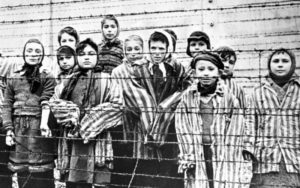
In 1930s Germany, Fascist Brownshirts marched 

in the streets, calling out 'Juden Raus!' Jews were 

heckled, threatened, disenfranchised, schools

closed to the very citizens who proudly thought of

themselves as Germans first, Jews second, for whom

German culture and values were prized; Jews among

whom were world-renowned scientists, writers and

artists, financiers and business leaders, soldiers and

housewives, workmen and the social elite -- all

destined for premature death by whatever means it

took. This crime against humanity in a genocide of

unprecedented scale and dimensions troubled the

conscience of an aloof international community

which to the present day avows commitment to that

pithy oath: Never Again. In 21st century Canada 

crowds of Jew-baiting terrorist-supporting Jew-haters

march in the streets, block thoroughfares and bridges

hang banners decrying the Jewish State of Israel and

threaten Canadian Jews in a reprise of history. The

Brownshirts were doing the bidding of the Third Reich

but in Canada, Palestinian Arabs perfecting the art of

propaganda while calling for the death of Jews have

manipulated the  Liberal government to do their

bidding and non-interference in the ransacking of

history, conciliatorily bowing to the raging hate of

the antisemitic mob replaying history in real time. While

Canada's Prime Minister visits Poland memorializing

the Holocaust and gravely intones 'Never Again', the

fate of Jews once more hangs on the balance of hate.


Friday, October 2, 2026

Psychopaths Among Us


The White Supremacist's rights to
freedom of expression under Canada's
priceless Charter of Rights and Freedoms
have been inexcusably tampered with;
his parental obligation to lovingly inspire
his young children to the belief that blacks
"must die" to ensure the future remains
bright with dignity and promise
and security for white children.

The Muslim woman whose husband
ensured that an earlier, childless
righteously-spurned wife swell their
household to help raise their three
daughters as her own, had her revenge
when she, her husband and their dutiful
son successfully conspired to murder
those three girls, along with their
guardian. An obvious necessity to
ensure the girls remained biddable to
Islamic ideals of purity and honour.

The elite-ranked military commander
whose professionalism was directed toward
stimulating and enhancing the courage
integrity and patriotic aspirations of
the country's finest, the while officiating
with the durability of rank and regard
welcoming home slain soldiers, lives
taken in the line of national and
international duty, relieves his personal
stress by discreet acts of vicious rape and
gruesomely sex-deranged murders.

These exemplary failures of the larger social
contract pursue their missions, leaving
that great legal compact submitting to
justice, while a reeling public mourns
loss of collective belief in the celebrated
Goodness of Humanity. Their frenzied
lunacy; our grievous tragedy. 


Thursday, October 1, 2026

I Just Don't Get It...!


That’s just the way it is, I guess. I don’t have any brothers. Or sisters too, for that matter. But then, you know that, don’t you? I figure you know quite a bit about me. On the other hand, I thought I knew a lot about you. I understand now that I don’t know as much about you as I thought I did, once. I imagine you just think you know me, actually.

I thought that was neat, you having two brothers. Especially that they were so much older than you. You, their kid sister, so they could do nice things for you. Take you places, buy you things, help you out with your homework. Maybe there was a little bit of envy there. I often thought how it might be if I had a brother or a sister. Especially a sister. How maybe it would be really nice. I’d have some company, kind of. It’s lonely, sometimes, being the only kid in the house.

My grandmother told me that it doesn’t always work that way. She said to me sometimes siblings get along well with one another, and sometimes they don’t. She said take her, for example; she took very little notice of her younger sister, and to this day they aren’t all that close. As for her brothers, well, they were all years younger than her, and they were just kind of there, she hardly noticed them.

I don’t know how it would be if I had a brother or sister. Either older than me, or younger. I’m not certain if I even have a preference. I suppose someone older could be kind of a help, a guide, someone to talk to when Mom gets pissed off with me for something. That would mean I’d do an awful lot of talking to an older sibling, if they allowed me to. If they were interested in hearing me. I don’t know if that older brother or sister would be sympathetic, or whether they’d just laugh at me.

See what I mean?

And then, too, if I had an older sister would she even be interested in me ... or think of me all the time like being a pest she couldn’t get rid of? I’ve got friends who talk about their kid brothers or sisters like that. They talk about what a nuisance it is, how they just can’t get away from them, how they screw everything up, at home. I don’t think I’d be interested in trying that one out.

But, say, if I had a sister maybe a year older than me? A year isn’t all that much difference in age, is it? So say there was her, and then I came along and we grew up together, wouldn’t it make sense that we’d play together as kids, and then got to like one another and spending time together, and confided in each other, and were best friends?

I asked one of my friends if that was what it was like with her and her older sister. She just looked at me like she hadn’t exactly heard my question. Then she laughed, and I understood that she had heard what I’d asked. Her laugh was the answer.

So I guess I’m just day-dreaming about something ridiculous, anyway.

And I guess, Erin, I’m trying my best to understand what’s happened to you. I can’t even begin to imagine what you’re feeling. I mean here you have a complete family, your Mom and Dad are there at home, even if they’re both busy, working all the time. They’re there some of the time. And then when everyone is together, you’re all there…together. I know I’m not saying what I really mean, but it’s hard to put into words.

So there’s you and your Mom and your Dad, and there’s also your two big brothers. One’s married now, I know, and the other one’s going to university. I know your family. We’ve been friends for years, after all. I’ve slept over at your house, had dinner together with you and your family. I’ve been around your family for years. I’ve even gone to church with your family, even though I don’t believe in God.

Neither does my mother. And she’s a single mother, left my father years ago. She’s really busy all the time, since she’s got to earn a living for us. She refused to take any money from my father. My grandmother said the arrangement they made, even though she signed papers written up by my father’s lawyer, was that he would have no visiting rights with me, in return for not paying child support. I can’t understand that, actually.

Is money that important, after all? You’ve got a father, a biological father and he’s not interested in seeing you, ever? He doesn’t even know what you look like, after all these years. He’s just kind of happy not having to pay child support. That really, really bugs me.

There’s no photos of him at home, but I know what he looks like. My grandma has lots of family photographs in her house, and there are some photos of him and my mother, in their frames, sitting on pieces of furniture there. There are more pictures of him in some of the family albums, but I’m not all that interested in looking for them actually. I don't remember much about him, it was so long ago. But I don't believe I want to remember anything about him. He's out of my life.

Anyway, this isn’t about me, is it? All right, it is about me, partially. I am involved, after all. Since I am - or was your best friend. Erin, I loved being your best friend. I want to continue being your best friend. You have no idea how hurt I feel that you keep shoving me away. I’m … disconsolate … that’s what I am. That’s what my grandma said, when I told her about all of this. She’s upset for me. I can always count on her for that.

But you’ve got family all over the place, even if they’re kind of distant in relationship; they live close by. My only two uncles live in Toronto and Vancouver, and I only get to see them maybe once or twice a year, when they come visiting. And neither of them has any kids, so I don’t even have any cousins.

Your family, even though they live close by, kind of ignore one another. You’ve got two cousins, girls your age, but you’ve always told me they’ve been mean to you, and you just don’t like being around them. I could see where you were coming from, but I found it puzzling, anyway. I’d have made an effort, I’m sure, to get my cousins, if I had any, to like me. I think. But then, what do I know, I don’t have any.

Erin, I do so very much miss you. I realize now that this isn’t new, this distancing from me, this hostility I feel and see from you. It’s been happening for a while, and it disturbed me and perplexed me and I didn’t know what to do about it. For a while I thought I’d just drop you as casually as you seemed to be doing to me.

It didn’t work for me, Erin. There’s a dark little worm inside me, squirming around, making me miserable, and that worm is the disquietude I’ve felt about our relationship, about its having suddenly seemed to dissolve, and I couldn’t figure out why. It’s worse now, your hostility toward me is more aggressive, more overt. You’ve progressed from speaking nasty things about me to the other girls when I haven’t been around to actually doing it in my very presence; I can hear you whispering about me and when I turn around, I can see that odd smile on your face.

What, exactly, does it mean? You can’t possibly have decided, after all these years, that our friendship was meaningless. We both invested a lot of time and emotion in our friendship. We’ve done things together, helping one another, that most people would never credit. You’ve told me things you told no one else. I confided to you things that I would never even speak about to my mother.

And yet, you said not one word to me, gave me no hint of what was really happening with you. To you. Instead, you told some of the girls at school we’ve always liked and hung out with. But not me. I had to learn from someone else. I couldn’t believe it. I felt horribly for you, and felt sad for me, too. I tried to let you know that I now knew, so it was all right. I was determined to do what I could to help you overcome this dreadful thing that happened to you.

And I tried, and I kept trying, but you kept slamming my words right back at me. That really devastated me. I didn’t want to say anything to my Mom, because I knew she would tell me that I was doing something wrong. She would defend you, saying that you had been traumatized, that your psyche had been damaged, that you needed understanding and patience from your best friend. That this was no time to abandon you, that I had to stand by you and do whatever I could to extend my friendship, to help you heal.

She just won’t hear what I want to tell her, she doesn’t actually hear what I’m saying. She’s so fixated on what you’ve gone through that she sticks to that, and won’t hear about my pain. To her, I’m just being selfish and self-absorbed.

I’m not!

My mother says she knows me better. She says I am being selfish. That I’m concerned with the way I feel, not the way you feel. That I’m missing the connections. That I’m taking offence because I feel you’re not responding to me the way you should, the way a best friend should. She says I’m expecting too much of you under the circumstances, because of the trauma you’ve suffered.

I’m trying to understand that, Erin. I’m trying to get my head around the fact that you’ve had six years of your life to tell someone what was happening to you, and you just never got around to it. My mother said that I couldn’t begin to imagine such a thing because I’ve never lived it. I guess she’s right there. But I still don’t understand, anyway, Erin, why you never, ever said anything to your mother. Or your father. Right, I forgot, you aren’t into telling your father all that much.

I’m trying to get it through my thick head, that same head that hears you calling me stupid all the time now, how it could possibly be that for all the years we’ve known one another, you’ve lived with this. There was never any hint that there was anything wrong with your life at home. I thought that your family was normal, in the sense that mine isn’t, since you’re all together, father, mother, kids.

Well, there’s nothing normal, obviously, about what happened with you. Migod, since you were seven years old! How could you stand it? I know you love your brothers because they’re your brothers. They seem nice enough; they were always nice to me. But your brothers … doing that kind of thing …

Remember when we were in grade six and they began that sex education course with all of us? I was so mad, remember? I really, really resented that they were taking us kids, just in grade six - we were only ten and eleven, after all - and making us learn all that stuff. Who wants to know about it? Won’t there be enough time to tell us about stuff like that when we’re older? I thought, back then, that maybe when we were in grade eight, or beginning high school, that would be a more appropriate time.

You never really responded when I spoke about that. You just shrugged your shoulders. And told me to just forget about it. I remember that. I remember how kind of distasteful it was to me to hear about that stuff. I hated it. I tried to talk to you about how I felt, but you weren’t interested in discussing it, you said. No wonder. Now I know why.

There wasn’t too much they could teach you, after all. I don’t mean that in a hurtful way. It’s not your fault. You were only a kid, and you were kind of trapped, weren’t you?

I mean your brothers are a whole lot older than you, you looked up to them, you trusted them. Your parents trusted them too, to kind of keep an eye on you when they weren’t around. And they weren’t around a lot of the time.

And me, I envied you, having big brothers who were around so you weren’t lonely or anything. Guys you could kid around with sometimes, that kind of thing. Because you’d be relaxed around them, you knew them so well….